Written by: Chuck Junkin
Counseling, by nature, is non-judgmental, inclusive, and welcoming to all people. In fact, we often operate on a principle of “unconditional positive regard,” meaning that regardless of our personal views on something, we accept the client where they are. Carl Rogers, an early counselor, described unconditional positive regard as “involves showing complete support and acceptance of a person no matter what that person says or does.”
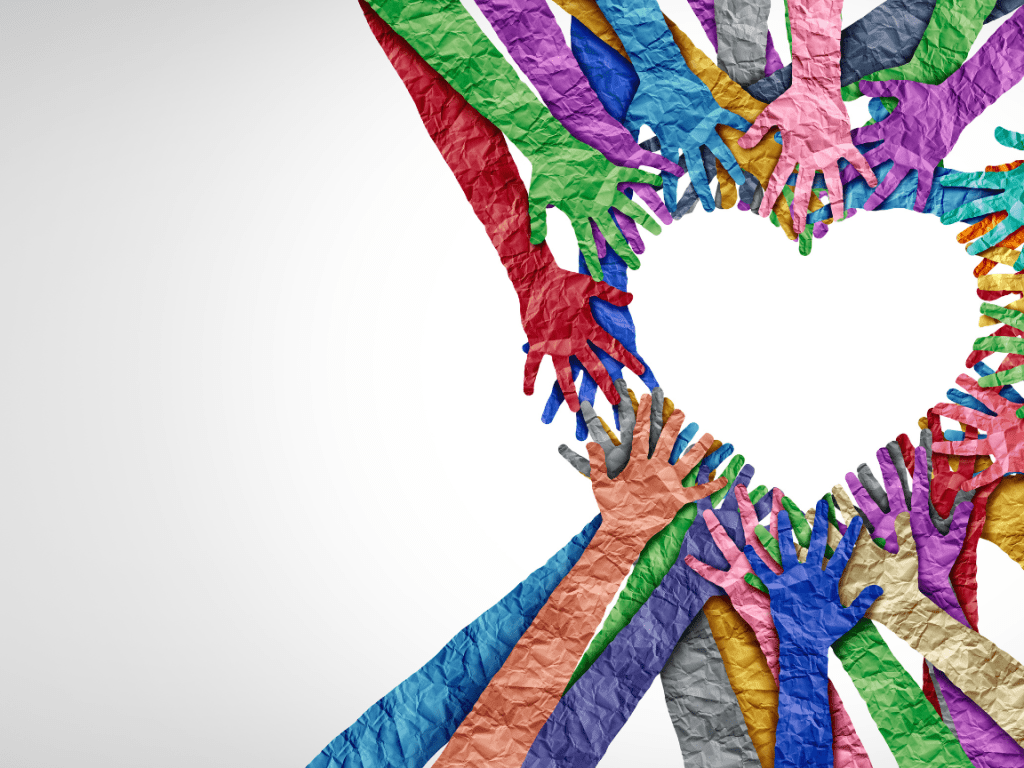
At My Integrity Counseling, we strive to be inclusive of all people. We enrich our lives when we get to know people who are different from ourselves. We understand that being “different” can bring with it its own struggles. And in today’s culture of pointing out differences, it is more important than ever to embrace the differences found in the fabric of our society.
Differences are sometimes obvious, and sometimes much less so. Ageism, sexism, and xenophobia are some of the more obvious reasons people are discriminated against, but we also want to rid ourselves of any “isms” against neurodivergent conditions, “hidden” mental illnesses, and different belief systems.
I firmly believe that discrimination comes primarily from ignorance. I mean this in the way of “not knowing” about someone or something that is different from our personal experiences. In most cases, getting to know the person who is “different” from us erases any “isms” we might be harboring. My life has been personally enriched by getting to know many people who are very “different” from me: socioeconomically, religiously, politically, sexually, ethically, mentally, physically, motivationally, artistically, and the list goes on. Stephen Covey, author of The Seven Habits of Highly Effective People tells us to “Seek first to understand, and then to be understood.” This has been a guiding principle of mine for decades. It turns out that I benefit from seeking to understand others first – who they are, why they make decisions the way they do, what informs their beliefs and ideologies.
While I do not have to change my beliefs nor agree with a position on which I have an opposing view, I can be much kinder and understanding of someone who is “different” from myself when I have considered their position first. I can respect that the person I am getting to know has the right to their own opinion, their own way of understanding the world around them, that may be different from mine. Different is not “better” or “worse,” but just that – different.
I challenge you today to take a moment to try to understand someone who is “different” from you in some way. Try to see things from their point of view. What makes them “tick” the way they do? How could their viewpoint enlighten that of your own? Regardless of the differences, let’s work to respect one another and our differences. A little kindness goes a long way.
 My Integrity Counseling